The Duke Kahanamoku Story
The Ultimate Waterman
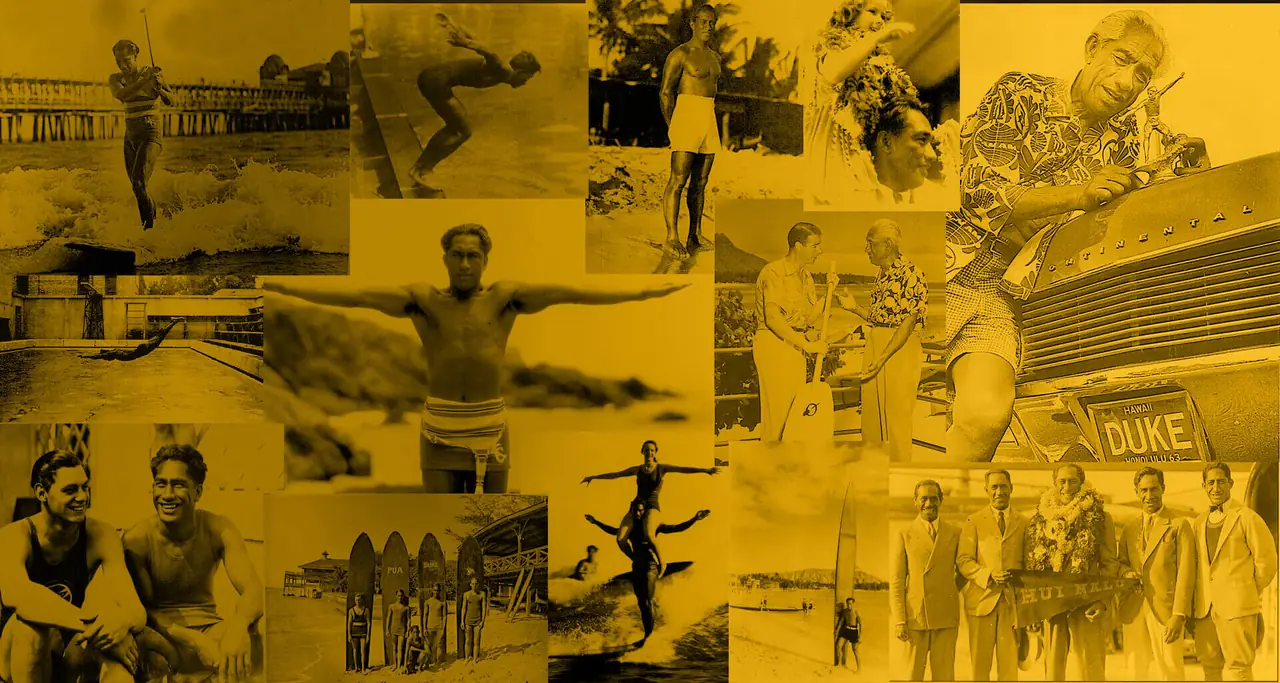
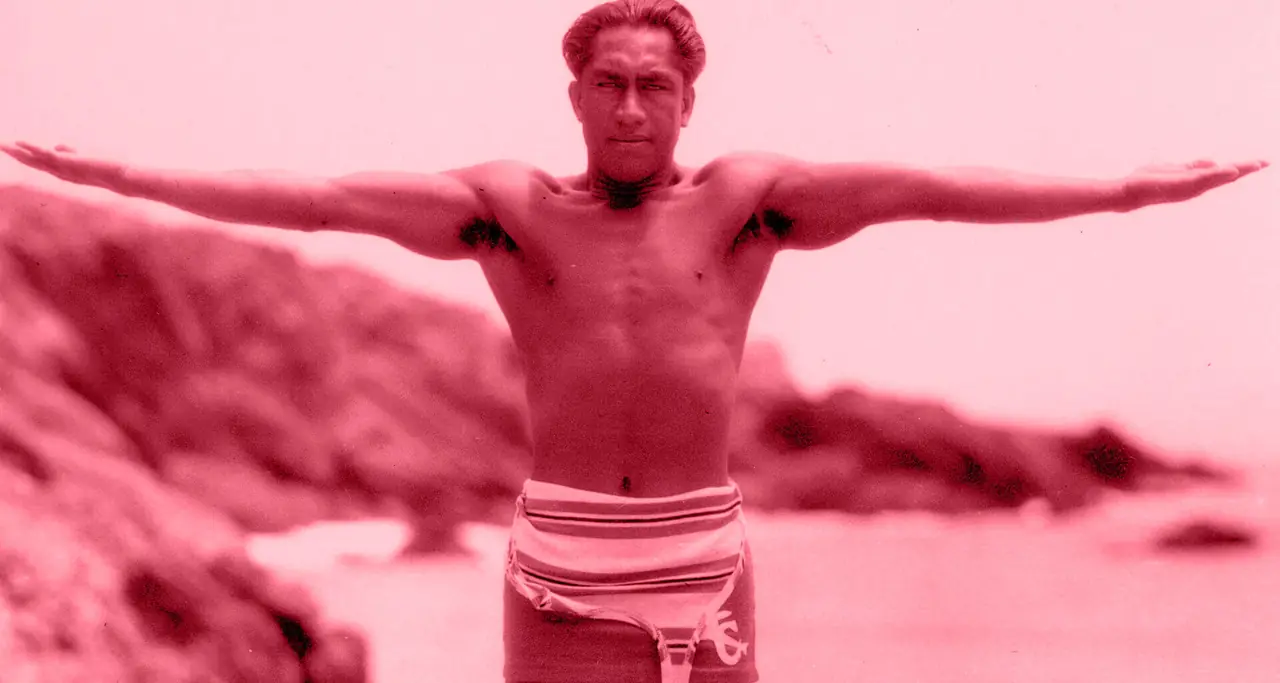
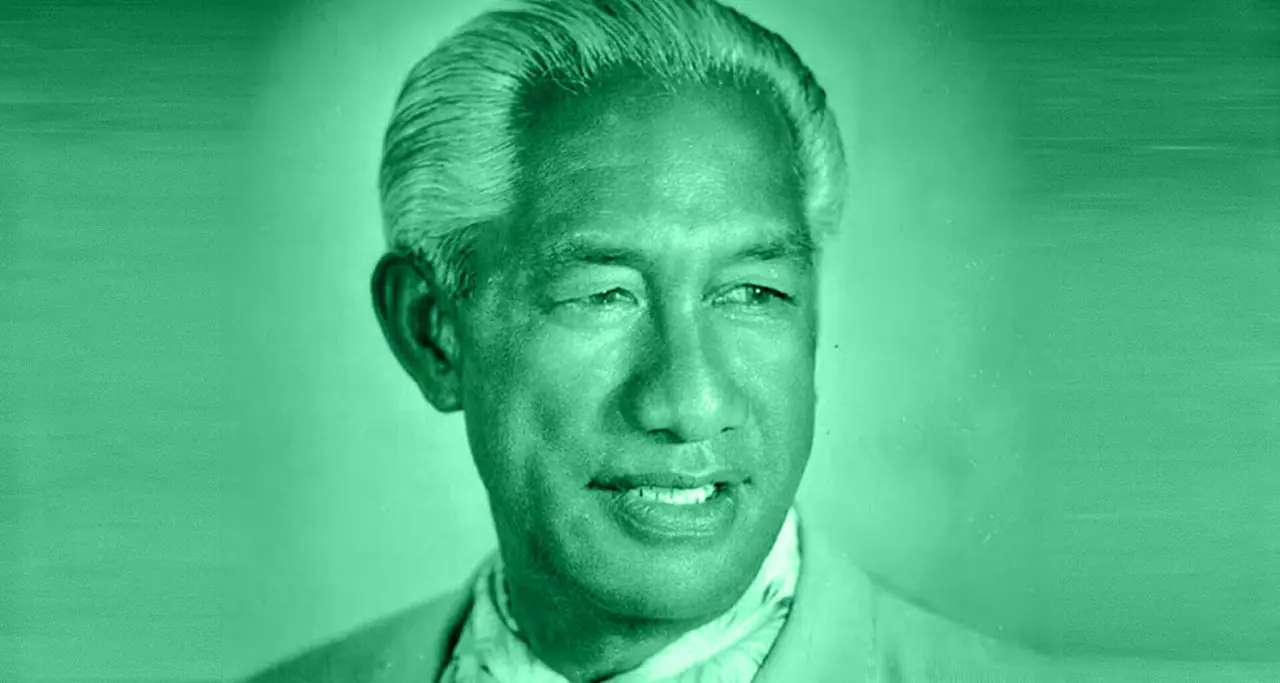
Swimmer. Surfer. Legend. His life represents far more than his unprecedented accolades in and on the water. Duke introduced the world his sport and to the Hawai’ian way of life, a way of being in the world that is still alive and relevant today.
Key Facts
- Inducted into Swimming, Surfing, and U.S. Olympic Halls of Fame
- 6-time Olympic medalist in a career spanning four Olympiads over two decades
- Popularized surfing around the world
Meet Duke:
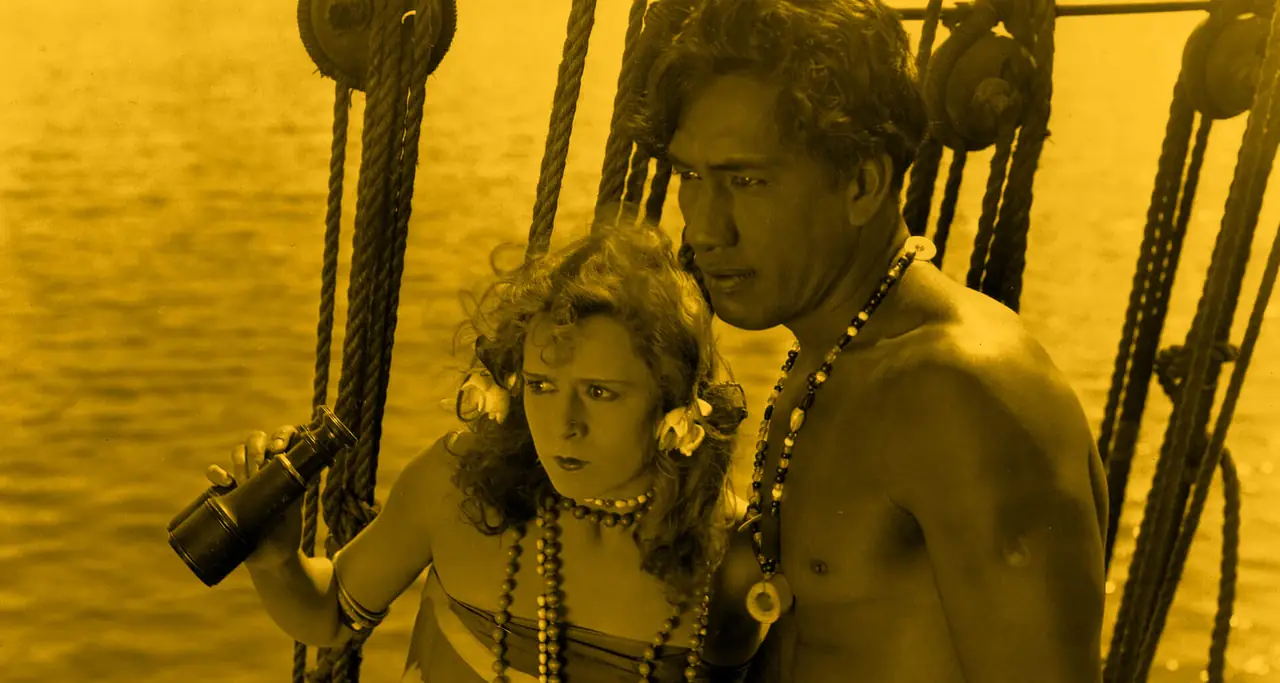
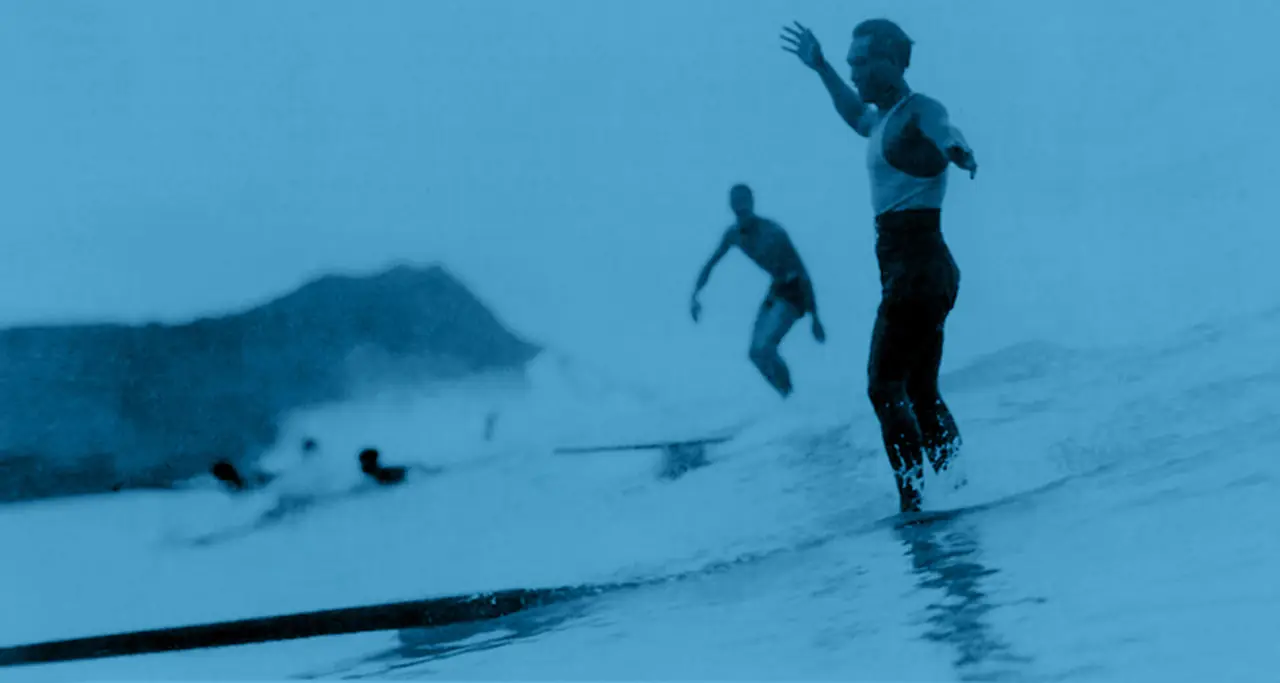
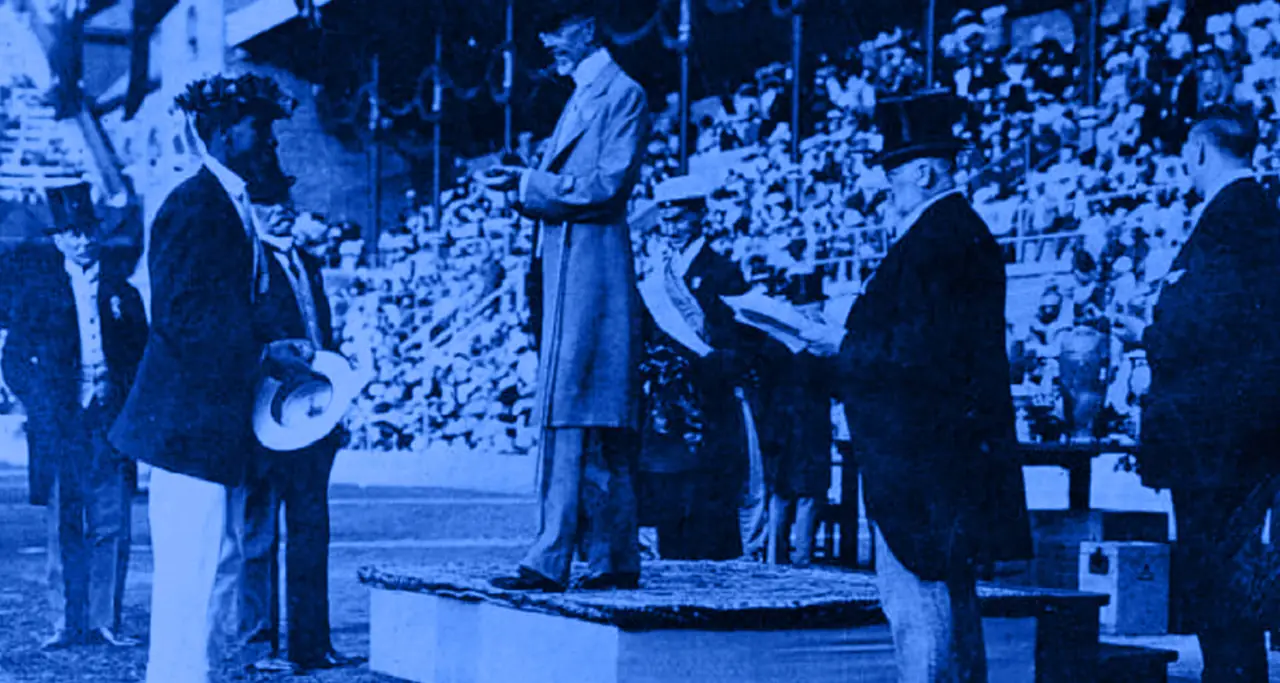
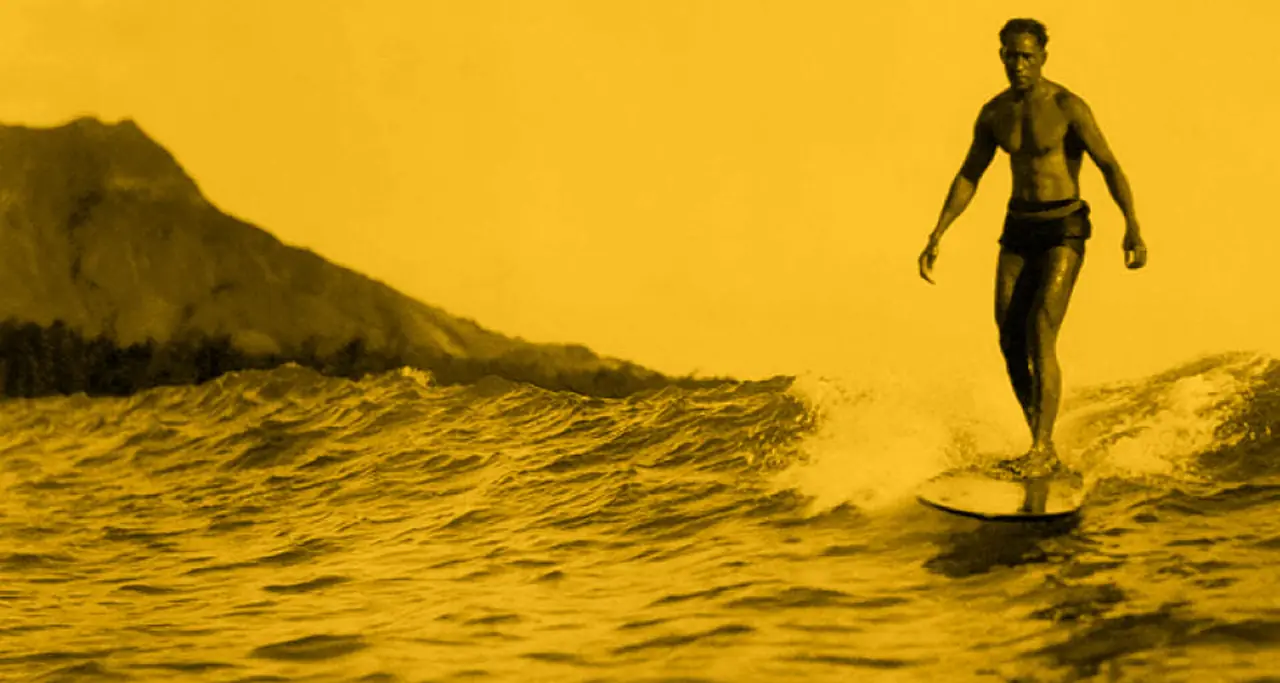
Highlights of a Remarkable Life
1890
Born in Honolulu on August 24th, First of nine children of Duke Halapu and Julia Paoa Kahanamoku. His father was named by Princess Bernice Pauahi Bishop in honor of the arrival of England’s Duke of Edinburgh in 1869. Duke was also named for his father so his family called him by his middle name – “Paoa”.
1908
Grows up on outskirts of Waikiki; Member of Kamehameha School’s championship soccer team. Develops surfing and swimming skills; prefers traditional surf board constructed from native koa wood – 16’ long and weighing 114 pounds.
1911
Broke 3 freestyle world records by 4.6 seconds in his very first swimming races in Honolulu Harbor.
1912
Won 2 Olympic medals in Stockholm – setting the record for the gold in the 100-meter freestyle and winning silver with the US freestyle relay team.
1914
Introduced surfing to the U.S. Atlantic Coast, Australia and New Zealand.
1915-32
Helped popularize swimming and surfing in the U.S., especially in Southern California.
1918
Swam in exhibitions in 30 mainland cities to raise money for the war effort.
1920
Won 2 more Gold Medals for swimming in the Antwerp Olympics — 100-meter freestyle and U.S. freestyle relay team. Recommended surfing as an Olympic event.
1924
Silver Medalist in the Paris Olympics, 100-meter freestyle.
1922-30
Lived in Los Angeles and played in 30 Hollywood movies. Helped make Southern California a water-sports mecca.
1925
Heroic surfboard rescue of 8 drowning men at Corona Del Mar, CA. Newport’s police chief at the time called Duke’s efforts “the most superhuman surfboard rescue act the world has ever seen.” It also caused U.S. lifeguards to begin using surfboards in their water rescues.
1929
Rode a monster wave for 1 1/8 miles at Waikiki – considered the longest ride in modern times.
1932
At age 42, won a Bronze Medal as an alternate on the U.S. water polo team in the Los Angeles Olympics. His Olympic career spanned 20 years.
1934-59
Served as Sheriff of Honolulu. Re-elected 13 times.
1956
Official U.S. Representative at the Melbourne Olympics.
1960
Appointed the new state of Hawaii’s Official Ambassador of Aloha.
1964
Official guest at the Tokyo Olympics.
1966
First person to be inducted into both the Swimming and Surfing Hall of Fame.
1968
Died in Honolulu on January 22 followed by a Waikiki Beachboy funeral.
1980
National Portrait Gallery, Smithsonian Institution, Washington DC.
1984
Posthumously inducted into the U.S. Olympic Hall of Fame.
1990
Statue dedicated at Waikiki on the centennial of his birth.
1994
Statue dedicated at Freshwater, Sydney, Australia. Biarritz, France Surf Festival named in his honor. Duke’s name inscribed in the Huntington Beach Surfer Walk of Fame.
2002
The United States Postal Service releases a limited edition first-class postage stamp depicting a young Duke Kahanamoku in Waikiki.
2011
Duke’s Day inaugurated by Freshwater Surf Lifesaving Club to honor Duke and the environment.
2012
Duke Kahanamoku Beach has been named as the #2 beach in America.